


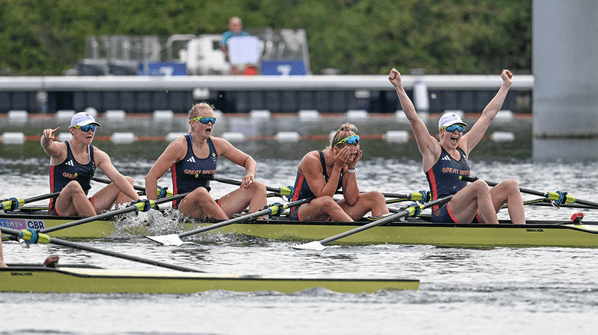


Women’s sport is having a moment, and a well-deserved one at that.
From packed stadiums and record audiences to growing investment and participation, the landscape for women and girls in sport looks very different today than it did even a decade ago. And with a Women’s T20 Cricket World Cup on the horizon, the Tour de France Femmes Grand Départ coming to the UK in 2027 and the UK bidding to host the 2035 FIFA Women’s World Cup, that momentum shows little sign of slowing down.
But as women’s sport grows, the infrastructure supporting female athletes needs to grow with it. That includes insurance.
Why does insurance for female athletes need attention?
Insurance provides an important safety net for athletes whose health and ability to compete can also be their livelihood. But historically, some insurance products used across sport have not always reflected the specific health needs and experiences of female athletes.
Pregnancy and its complications, menopause, contraception used to manage health conditions and Relative Energy Deficiency in Sport (RED-S) are among the areas identified through the Government’s Women’s Football Taskforce.
RED-S, for example, occurs when an athlete’s energy intake does not meet the demands of their training and daily life. It can affect metabolic, hormonal and physiological health and can contribute to issues including stress fractures and changes to the menstrual cycle.
These aren’t niche considerations. They are part of the realities of women’s health and sport – and recognising them is an important part of ensuring athletes can access appropriate protection throughout their participation.
That is why, following recommendations from Karen Carney OBE’s Independent Review of Women’s Football, the Government’s Women’s Football Taskforce brought together Loughborough University, the insurance industry and representatives from across sport to look at where improvements could be made.
Turning conversations into change
The encouraging news is that this collaboration is already producing tangible results.
Earlier this year, the Government announced what it described as a “major breakthrough” in insurance for female athletes. Aon became the first broker to extend its personal accident policies to include miscarriage resulting from a sporting accident as standard.
Meanwhile, the British Insurance Brokers Association (BIBA) has been working with specialist brokers to consider where other exclusions can be reconsidered, specialist insurer AXIS has been reviewing its professional sports personal accident products, and the ABI and our members have been looking across the wider insurance market at the cover and terms available to female athletes.
It is an important example of what can happen when sport, government, insurers and brokers come together around a common issue: sharing expertise and identifying areas for support.
And crucially, female athletes and sporting organisations have been part of that conversation, with engagement across organisations including UK Sport, the FA, England Netball, Premiership Women’s Rugby, the ECB, UK Athletics and others.
Knowing what is available matters too
Developing products is one part of the puzzle. Making sure people understand the insurance available is another.
There isn’t one single “female athlete insurance” policy – and what someone needs will depend on their sport and individual circumstances.
For some athletes, personal accident insurance may be relevant. Others may want protection that could provide financial support if an illness or injury leaves them unable to perform. Health insurance policies can also offer different levels of cover, with some services – such as testing associated with RED-S – available depending on the cover purchased.
As with any insurance, greater levels of cover can come at a higher price. So when considering a policy, it is important to think about more than cost alone: what might you need your insurance to respond to, what level of cover would give you that protection, and what terms, conditions or exclusions apply?
That can make knowing where to start feel complicated, but understanding what cover you already have, what it does – and importantly doesn’t – cover, and what you might need from a policy is a good first step.
For athletes, clubs and sporting organisations looking for help, the BIBA offers a Find Insurance service, which can help connect people with specialist brokers for their needs.
Keeping pace with women’s sport
Women’s sport will continue to evolve, and so will our understanding of female athletes’ health and the risks they face. The progress made through this work shows the value of bringing together expertise from across sport, government and the insurance industry to consider how athletes can be better supported. The rapid growth of women’s sport presents an opportunity to think carefully about what female athletes need to thrive throughout their careers. Greater awareness of the protection already available can help athletes, clubs and sporting organisations make informed decisions about the cover that is right for them.
Women’s sport is moving forward at pace, and the supporting systems should be ready to keep up.