


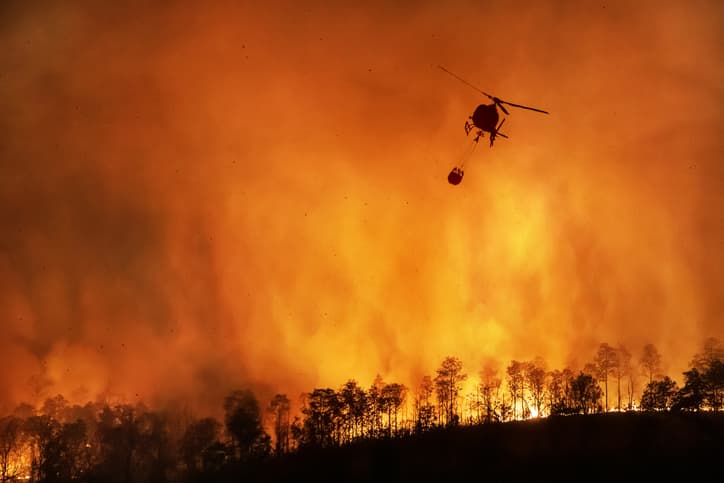


Wildfires can spread quickly and be incredibly distressing for communities and businesses in the area. Our thoughts are with everyone affected by the recent incidents across the country. Insurers are ready and on hand to support their customers, and anyone whose property has been damaged should contact their insurer or broker as soon as possible. Standard buildings insurance policies generally include cover for damage from a fire, including wildfires, and your provider will be able to offer support and advice on next steps.
With the number of wildfires in the UK this year already surpassing the entire of last year, it’s imperative that we work as a nation to reduce the risk. While the hot and dry weather continues, following government advice and avoiding any activity which could start a fire is crucial to keep our communities safe.

Charlie Inwood
General Insurance Policy Adviser
If your home or property is in the affected area, the ABI advises:
- The most important thing is to stay safe. Monitor official warnings closely and follow guidance from the Fire and Rescue Service, Local Authority or other emergency services.
- If your property has been affected, contact your insurer as soon as it is safe to do so. They will be able to explain the claims process, provide practical support and help you understand what assistance may be available under your policy.
- Standard home insurance policies typically cover damage caused by fire, including wildfires, and your insurer can also offer support and advice to help you get back on your feet. This can include making emergency payments and helping to repair or rebuild damaged properties.
- Cover for items in your garden may vary. For example, some policies include cover for garden furniture, trees, hedges, lawns, and fences, while others do not. If you’re not sure what’s included in your policy, speak to your insurer who can help.
- Most home insurance policies will also provide alternative accommodation where a property has been damaged and is no longer safe to live in.
- If you are evacuated as a precaution and your property has not been damaged, temporary accommodation is typically arranged through the Local Authority.
- If you’re unsure exactly what is covered in your policy, check your documents or speak to your insurer.
- If you do not have insurance, you should contact your local authority or the Red Cross, which may be able to offer support following a fire.
If your business has been affected:
- Contact your insurer or broker as soon as possible.
- Depending on the circumstances and the cover in place, your insurer or broker may be able to provide support such as emergency payments, loss adjusters and assistance with repairs and reinstatement to help you recover as quickly as possible.
- Many business insurance policies cover fire damage to insured buildings, stock, equipment and machinery, although cover will depend on the terms, limits and exclusions of the policy.
- If you have business interruption insurance, it may cover loss of income and certain ongoing costs if your business is forced to close because of damage to insured premises. Some business interruption policies may also help cover the cost of temporary alternative premises while repairs are carried out.
- Depending on your policy, some will also cover costs if your business cannot operate because of evacuation orders, road closures or restricted access to the area.
- If you’re not sure what is covered, check your policy or speak to your insurer or broker.
For homes and businesses that have been damaged:
- Speak to your insurer before carrying out significant clean-up or repair work unless immediate action is needed to protect people or prevent further damage.
- Keep records of any damage, including photographs where possible, and retain receipts for emergency expenses or temporary measures.
- Unless they are a safety hazard, do not dispose of damaged items until your insurer has advised you.
- Your insurer understands that you want to return to normal as quickly as possible after a fire. Every claim is different, and the time needed will depend on the extent of the damage and any repair or rebuilding work required.
- An insurer or loss adjuster will be appointed assess the damage and set out likely timescales as soon as possible. Throughout the process, insurers will work closely with you and keep you updated on progress.
Helping to keep our communities and wild areas safe:
- It’s important we work together to reduce the use of all avoidable ignition sources in high-risk areas, and ensure they are used carefully and appropriately at all times.
- Always follow guidance from the local Fire and Rescue Service on how to prevent and protect yourself against the risk of fire.
- Wildfires can be caused by improperly disposing of flammable items such as cigarettes, littering reflective materials or glass, or leaving campfires and BBQs unattended. More information on how to protect and prevent against wildfires from the National Fire Chiefs Council can be found here and here.
- Homeowners can take steps to protect themselves and their homes from some of the avoidable risks of fires. This includes:
- Make sure your property has the correct fire safety equipment. Smoke alarms are a must for both homes and commercial properties. Make sure they are regularly tested to ensure they are working properly.
- Clear any dry vegetation (dead leaves, twigs, branches) from around the house. Keep lawns and grasses short.
- Clean gutters regularly.
- Take extreme precaution when having any barbeques or bonfires, and never leave them unattended.
- Store firewood at least 10m away from the property if possible.
- Regularly check garden buildings with electrics and make sure no items are left plugged in and unattended if high room temperatures could cause heat related electrical breakdown.
- Have a fire escape plan and make sure all occupants are aware of the plan; keep potential fire exits unblocked to allow easy access.
- You can find more information and frequently asked questions on fire damage on the ABI's website here.
For more information, please contact [email protected].